Substance Abuse Rehab & Treatment
Substance Abuse Rehab & Treatment
At Northwest Florida Rehabilitation and Recovery Center, we understand that substance abuse recovery is a deeply personal journey. Our dedicated team creates customized treatment plans tailored to each individual’s unique needs. We take a holistic approach to recovery, combining evidence-based therapies with compassionate support to empower patients to reclaim their lives in a safe, supportive, and serene environment.
We offer both residential inpatient and outpatient rehab options, depending on each person’s needs and circumstances. Our structured approach ensures a smooth transition through every stage of recovery, from detox and inpatient care to outpatient treatment and aftercare, providing continuous support every step of the way.

Dual Diagnosis - Mental Health and Substance Use Disorder
Northwest Florida Rehabilitation and Recovery Center specializes in dual diagnosis treatment, addressing substance abuse and co-occurring mental health disorders. Our comprehensive approach integrates evidence-based therapies tailored to each individual’s needs, ensuring both conditions are treated simultaneously for the best possible recovery outcomes.
With a team of experienced professionals and a supportive environment, we provide personalized care that empowers individuals to achieve lasting recovery and improved mental well-being. Whether someone is struggling with depression, anxiety, or another mental health condition alongside addiction, Northwest Florida Rehabilitation and Recovery Center is here to support each person’s journey to wellness.
What is Addiction and How Does it Begin?
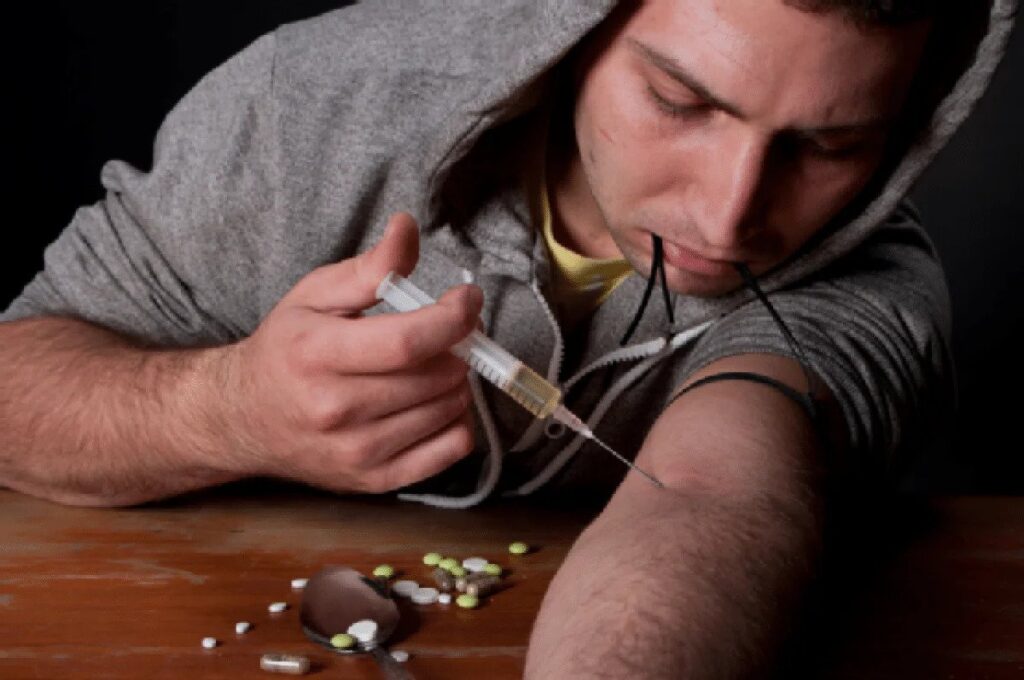
Addiction is a complex, chronic disease that affects the brain, leading to compulsive behaviors despite negative consequences. It often involves the misuse of substances such as drugs or alcohol, but can also extend to behavioral addictions like gambling or excessive internet use. Addiction disrupts normal brain function, particularly in areas related to reward, motivation, and self-control, making it difficult for individuals to stop using a substance or engaging in a behavior even when they recognize its harm.
How Does Addiction Begin?
Addiction doesn’t happen overnight—it is a gradual process influenced by a combination of biological, psychological, environmental, and social factors. Here’s how it typically develops:
Initial Use – People may start using substances out of curiosity, peer pressure, to cope with stress or trauma, or even as part of a prescription for pain management.
Repeated Use and Tolerance – Over time, repeated exposure to a substance can lead to tolerance, meaning the person needs more of the substance to achieve the same effect. This increases the likelihood of continued use.
Dependence – As the brain adapts to the presence of the substance, the body begins to rely on it to function normally. If the person tries to stop, they may experience withdrawal symptoms such as anxiety, irritability, nausea, or depression.
Addiction (Substance Use Disorder) – At this stage, substance use becomes compulsive, and individuals struggle to control their behavior despite harmful consequences. Their brain’s reward system is rewired to prioritize the substance over everything else, leading to cravings and loss of control.
Risk Factors for Addiction
Several factors can increase a person’s likelihood of developing an addiction, including:
- Genetics – A family history of addiction can increase the risk.
- Mental Health Conditions – Anxiety, depression, PTSD, and other disorders can make individuals more vulnerable.
- Trauma – Unresolved trauma, especially from childhood, is a significant risk factor.
- Social Environment – Peer pressure, stress, or exposure to substances in one’s surroundings can contribute to addiction.
- Early Exposure – The younger a person starts using substances, the higher the risk of addiction.
Breaking the Cycle of Addiction
Recovery is possible with the right treatment and support. A combination of medical care, therapy, holistic treatments, and peer support can help individuals regain control of their lives. Dual diagnosis treatment, which addresses both addiction and underlying mental health disorders, is particularly effective in ensuring long-term recovery.
At Northwest Florida Rehabilitation and Recovery Center, we provide comprehensive, evidence-based treatment designed to help individuals overcome addiction and rebuild a healthier, more fulfilling life.
How to Pay for Substance Abuse Rehab Center Costs
Paying for addiction treatment may seem overwhelming, but there are several options available to help cover the costs of rehab. Here are some common ways to finance treatment:
Health Insurance – Many private insurance plans, Medicaid, and Medicare cover addiction treatment, including inpatient and outpatient care. Checking with your provider can help determine your coverage.
Financing & Payment Plans – Some rehab centers offer flexible payment plans or financing options to spread out the cost over time.
Grants & Scholarships – Nonprofits, government programs, and rehab centers may offer financial assistance or scholarships for those in need.
Employee Assistance Programs (EAPs) – Some workplaces provide benefits that help cover rehab costs.
Personal Savings or Loans – Using savings, crowdfunding, or personal loans can be an option for those without insurance.
Investing in addiction treatment is a crucial step toward recovery. At Northwest Florida Rehabilitation and Recovery Center, we can help you explore payment options and find the best solution for your needs.
Join a workshop
We would love to speak with you.
Feel free to reach out using the below details.
Get in Touch
- 850-518-2486
- northwestfloridarehabilitation@gmail.com
Address
- 4185 Glory Quincy, Florida 32351
Hours
- Mon-Fri 9:00AM - 5:00PM
- Sat-Sun 10:00AM - 6:00PM